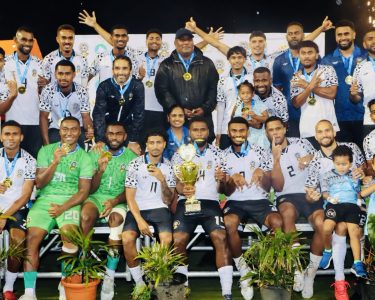
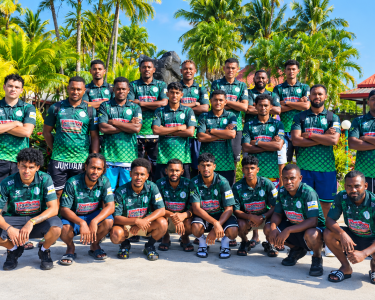
EL Grove clinched the NAFSA-CANAM title with a narrow 1-0 victory over Edmonton Rangers in the final.
The USA-based side played it smart.
Regardless of how fans judged their sluggish day-one performance, the outcome proved one thing: clever coaching and strategy win tournaments.
El Grove understood the format. With eight teams in the competition and all guaranteed quarterfinal berths, day-one results carried little weight — and the Americans knew it.
They absorbed heavy defeats early on 11-2 against Eagles FC and 3-1 against Civic FC, both Canadian clubs. Their only group-stage win came in a 3-1 result over Flagstaff FC, another Canadian team, which they treated more like an exhibition than a must-win.
But when it mattered, El Grove delivered. They stuck to the rules, trusted the process, and lifted the trophy.
Critics may scoff at their approach, but their complaints amount to little. Football is about making smart decisions, and El Grove proved they had the intelligence to do just that.
The turning point came in the semifinals, where El Grove stunned Eagles FC — the same team that had humiliated them in the opener. This time, the Americans matched intensity with discipline, and redemption was theirs.
Entertainment or Structure?
Football is entertainment — but on that front, organizers may have lost the plot by giving day-one matches a casual, low-stakes feel.
For a tournament of NAFSA-CANAM’s magnitude, the format deserves rethinking. With eight teams, should the structure have gone straight to semifinals for the top two group finishers instead of granting every team a quarterfinal lifeline?
While the quarterfinals guarantee more matches and fanfare, they strip away competitiveness from the group stages.
Organizers argue the current setup creates excitement. Critics counter that it feels outdated, reducing the sense of urgency in early play.
The debate remains divided — with teams and fans agree: the competition needs a sharper format if it is to match the scale and prestige it aspires to.
Lack of Fanfare
Another concern is attendance. The 2025 NAFSA-CANAM recorded the lowest turnout in history.
What should have drawn thousands of fans instead struggled with sparse crowds, and the biggest reason appears to be location.
Langley, the host city, is a long commute.
Fans have already voiced frustrations after both the Battle of the Giants and now the NAFSA-CANAM being staged away from core communities.
If organizers want to restore the competition’s popularity, they must rethink logistics — and bring the tournament back closer to the people.