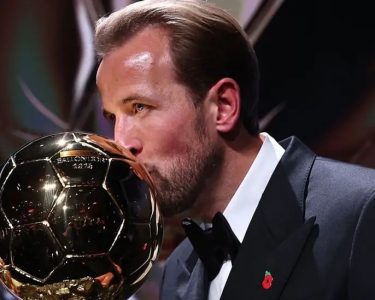
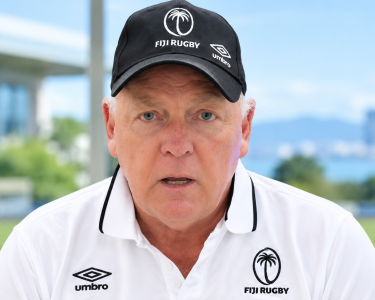
WORLD football icons Lionel Messi and Cristiano Ronaldo may dominate the global stage, but for many in Fiji and the Pacific, Roy Krishna stands in a league of his own.
Krishna, widely regarded as a product of opportunity and hard work, has come under increasing criticism for launching his own football apparel brand, RK21, and using Bula FC, Fiji’s first professional football club, to promote it.
And what Messi, Ronaldo and many other global stars have not done at least while actively contracted, is use their professional club environment to market personal apparel lines, Krishna have them beat.
While some fans have applauded his entrepreneurial ambition, others have accused him of double-dipping.
Critics argue that Bula FC, should have been the primary beneficiary of Krishna’s brand value.
They believe the club, not the player should have capitalized on his iconic No.21 jersey through official team merchandise to strengthen its financial base.
Instead, Krishna’s personal brand has taken centre stage, using the very platform provided by the club.
This development is unprecedented in football history.
A brief review of global sporting standards shows that while elite athletes often have personal sponsorships or fashion lines, they are typically prohibited from promoting, selling and sponsoring those products within their workplace or through club-affiliated platforms without formal agreements.
Such boundaries exist to protect the integrity and commercial interests of clubs and leagues.
For a player long celebrated as the embodiment of professionalism, this moment represents a sharp contrast.
Krishna is now leveraging his stature in the OFC Professional League, and the RK21 brand, and jerseys are among the many attire items the Bula FC will use during their inaugural campaign, which has raised concerns among fans and stakeholders about conflicts of interest.
What was once near- Oceania admiration is gradually giving way to skepticism, as tougher questions emerge about where personal branding ends and responsibility to the game begins.
Messi and Ronaldo built their legacies first, and commercial empires followed, carefully structured, clearly separated from club obligations, and governed by professional standards.
Krishna’s situation now places him at a crossroads: between trailblazer and cautionary tale.