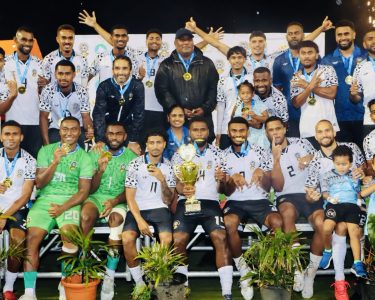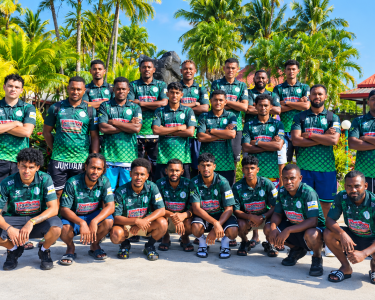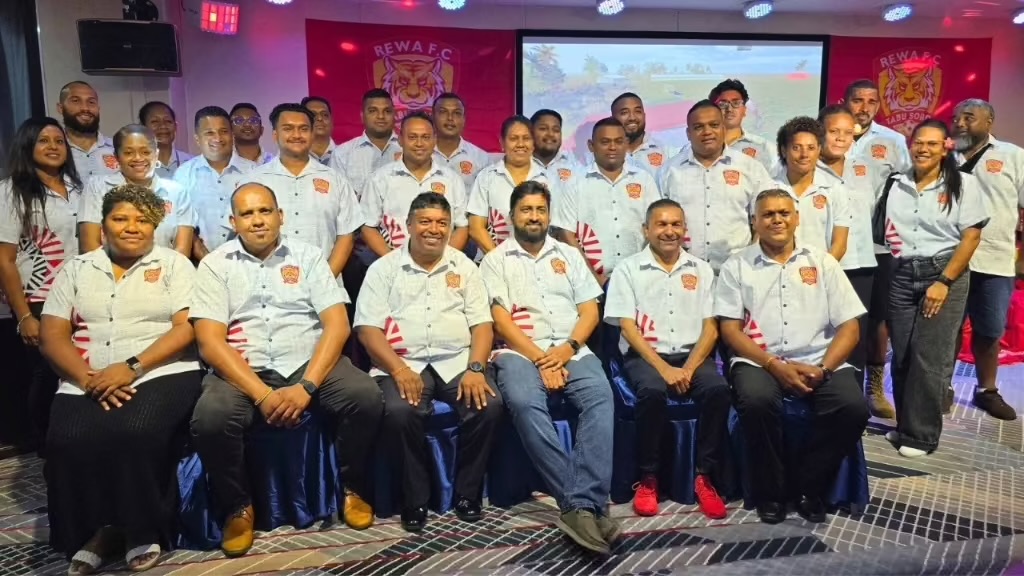

REWA Football Association isn’t just looking to the future, it’s actively building it.
The district has rolled out a series of ambitious initiatives, including the construction of a clubhouse, upgrades to training facilities at Saraswati College grounds, and the launch of a commercial merchandise outlet, Shop Rewa.
For a low-budget, sponsorship-driven association, these developments signal a promising future for footballers across all age groups, both men and women.
It’s a significant step forward, particularly for a district that has arguably been Fiji’s most consistent football team in recent years.
Under the leadership of president Nazeel Buksh, Rewa has adopted a bold and strategic approach.
The administration’s focus on sustainability and youth development is setting a new benchmark, one that prioritizes long-term growth over short-term success.
That vision is not only ambitious, but necessary.
For football to truly thrive in the district, elevating player profiles and creating pathways to opportunities beyond Fiji, into elite and professional environments will be crucial in establishing Rewa as a regional powerhouse.
Encouragingly, Rewa’s development model is already delivering results.
Despite losing marquee players to OFC Pro League club Bula FC, the district continues to rebuild with confidence.
A total of nine players were drafted into Bula FC, while former coach and captain Tavita Waranivalu has taken his experience to Hekari United.
Yet, the system remains resilient.
A new generation continues to emerge, underlining the strength of Rewa’s grassroots structure and its commitment to continuous development.
Rewa model is the future
While Rewa is setting the standard, other districts may need to follow suit.
Investment in infrastructure, such as clubhouses alongside the creation of sustainable revenue streams through merchandise and marketing, could redefine the local football landscape.
Though such steps present challenges, traditional powerhouses like Ba, backed by businessman and president Praneel Dayal possess the resources and growing support base to replicate this model.
If more districts embrace this forward-thinking approach, the future of Fijian football could become stronger, more financially stable, and increasingly competitive on the regional stage.