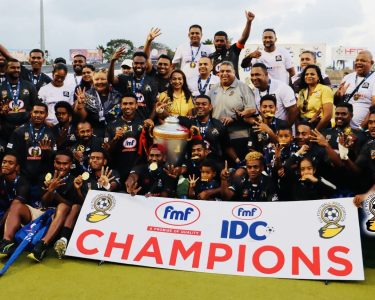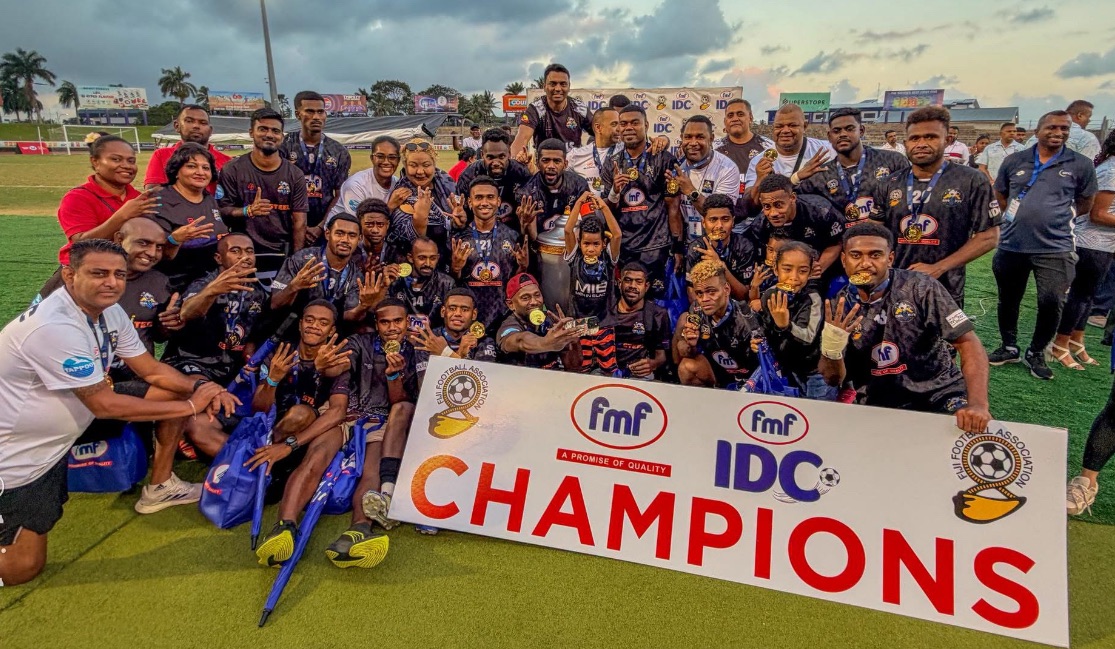

WITH Ba winning all the major football tournaments in Fiji, the question of competitiveness in the local game has become increasingly relevant.
The Men in Black have more than strong leadership.
They also have considerable financial backing, including the personal purse of the Dayal family, which helps look after players’ welfare and provides the resources to assemble a formidable squad.
While other districts rely heavily on sponsorships and fundraising to keep their football programmes afloat, Ba have the financial muscle to stretch every dollar and invest in a team capable of winning silverware.
As Fiji football moves towards a semi-professional era, the debate over player poaching has intensified. Social media critics have labelled Ba a “batoro team” following their string of tournament victories, but the issue deserves a closer look.
The reality is that every district operates under the same rules and has the opportunity to strengthen its squad by recruiting players it believes can make a difference.
There is nothing unusual about a district seeking the best available talent. In a competitive environment, recruitment is part of building a winning team.
But the bigger question is whether every district has the financial resources to compete on an equal footing.
Football is changing, but not every district is moving at the same pace.
Some associations still depend on fundraising activities to meet their seasonal expenses, while others struggle to attract sponsors because of inconsistent performances and a lack of success on the field.
Districts such as Nadi, Nadroga, Lautoka and Suva face the difficult task of rebuilding their football programmes while convincing potential sponsors that their investment will deliver meaningful returns.
For some sponsors, the concern is whether their financial contribution will provide sufficient exposure and value.
When results are poor, that becomes an even harder sell.
Without strong financial backing, districts may struggle to attract and retain quality players.
They are often forced to work with limited resources, while better-funded teams can recruit proven performers to strengthen their chances of success.
It can become a vicious cycle, poor results make sponsorship harder to secure, and a lack of sponsorship makes it more difficult to improve results.
Ba’s success, therefore, is not simply a story of strong leadership or talented players. It is also a reflection of the financial stability that allows the district to build and maintain a competitive squad.
The district did not shy away from recruiting Rewa’s quartet of John Orobulu, John Alick, David Supra and Patrick Joseph, along with Labasa’s duo of Illisoni Logaivau and Rusiate Doidoi, to strengthen its campaign.
These acquisitions demonstrate how recruitment, backed by financial resources, can help a team assemble the quality needed to compete for major honours.
The question is not whether Ba should recruit quality players.
Every district has that ambition.
The real challenge is whether other associations can develop the financial strength, administration and with long term sponsors needed to compete in the same market.
Rather than simply criticising Ba for its success, other districts must examine what is holding them back and how they can build sustainable football programmes.
The move towards semi-professional football will only widen the discussion about funding, player welfare and the ability of districts to retain their best talent.
In modern football, resources matter.
Ba have demonstrated what financial backing, recruitment and ambition can achieve.