
ASK a Fijian about the country’s qualification chances for the FIFA World Cup and pause.
What follows is usually a flood of emotion and frustration, because many feel the conversation itself is hardly newsworthy.
Why?
Fijians across different sectors believe Fiji struggles to consistently beat fellow island nations, let alone compete on football’s biggest stage where the game is faster, tougher and unforgiving.
Football has evolved dramatically.
Even some of the world’s traditional powerhouses now find it difficult to dominate nations once considered minnows.
Morocco was scintillating against Brazil, who played the game with Brazilian flair and made the 5 times World Cup champions look ordinary.
Fiji, on the other hand, appears comfortable with its position in Oceania, participating but rarely showing the urgency or long-term planning needed to truly challenge for a place on the global stage.
The modern game demands professionalism, development and belief.
Talent alone is no longer enough.
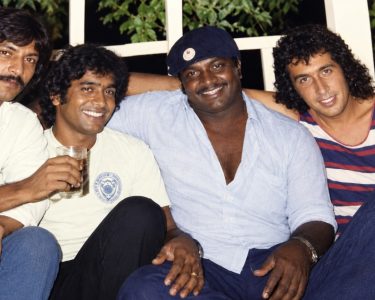
Former Fijian national team footballer Manu Pokar believes the governing body in the country is run on ego and less knowledge about the sport, adding pay cheques, perks and benefits have them sit comfortable in their positions.
“World Cup and Fiji don’t go in the same breath, Fiji is worlds apart when it comes to development of the sport, elite players and raising the level of the game,” said Pokar.
Countries with smaller populations and fewer resources have shown what is possible through investment and vision.
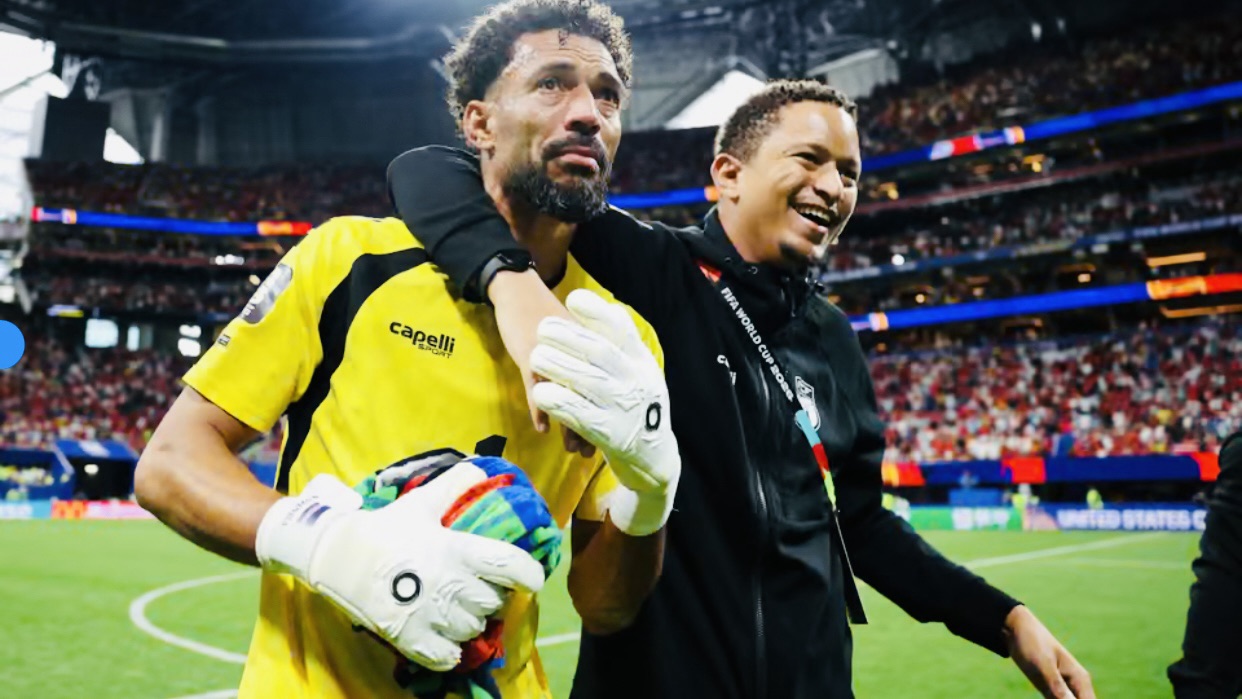
Pokar points to Curaçao, a nation with a population of 158,000 and Cape Verde, population of just over 500,000 compared to about 1 million in Fiji have shocked by holding European champions and the 2010 World Cup champion Spain 0-0.
“It’s not like Curacao and Cape Verde was given a sympathy inclusion, they went through the elimination rounds and qualified,” Pokar said.
He said Cape Verde and Curacao’s recent rise on the world stage is proof that inclusiveness and preparation hunger close the gap against football giants.
“With Curaçao, majority are Dutch developed.
“What Fiji lacks is genuine football knowledge at the top, someone who understands the sport, way too many pretender leaders, who are bad for the sport.”
For Fiji, the World Cup qualification often feels more long shot than realistic.
There are flashes of brilliance in the country, but consistency remains elusive.
Pokar said until Fiji develops a stronger football culture from grassroots to elite level, qualifying for the FIFA World Cup may remain more dream than destination.