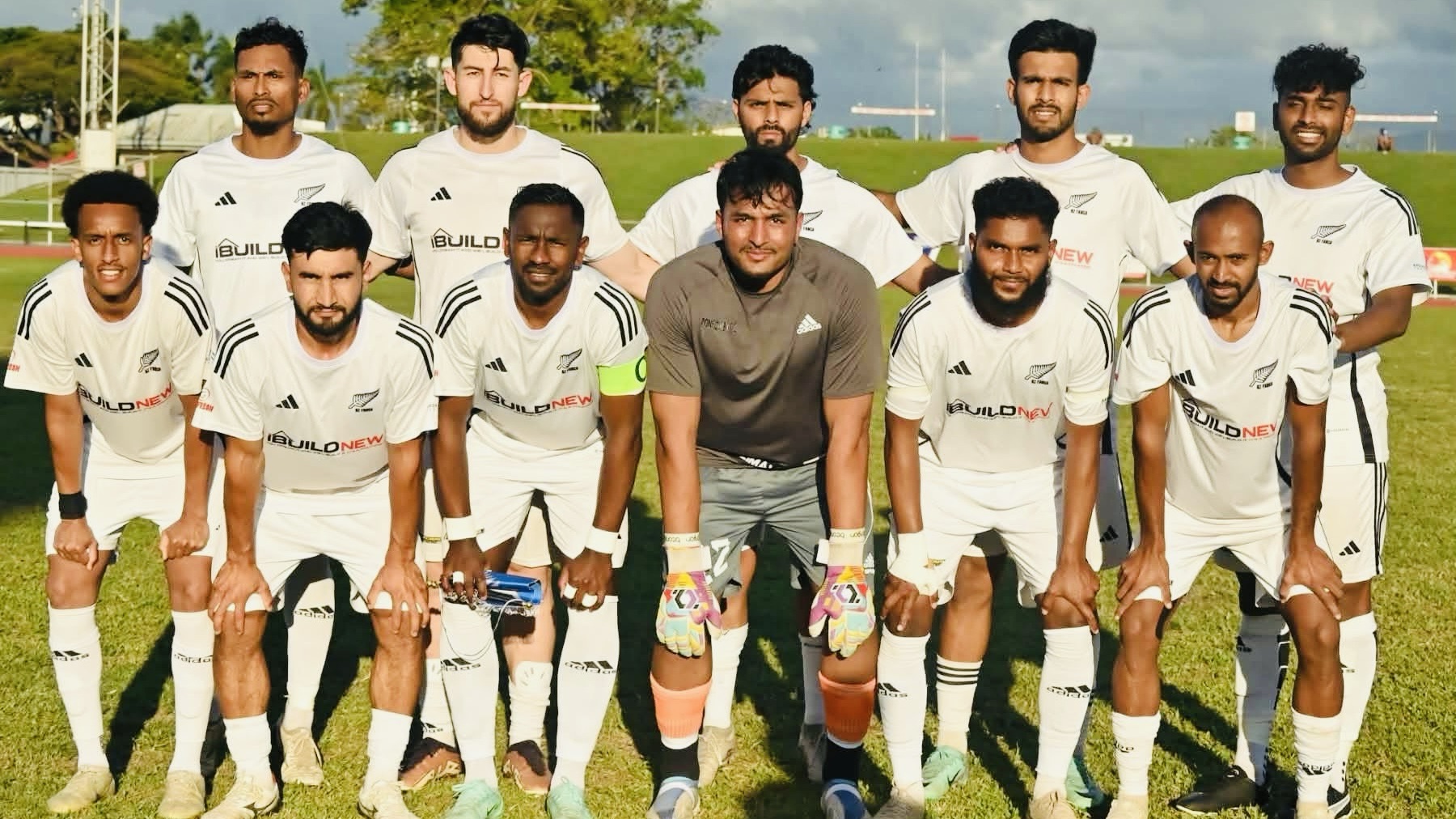

THE FANCA Federation has come under fresh scrutiny following allegations it misrepresented the circumstances surrounding New Zealand’s use of an ineligible player during the 2024 FANCA tournament in Fiji.
A source familiar with the matter, who spoke to SportsOne on condition of anonymity, questioned the federation’s leadership and board, alleging they failed to enforce their own player eligibility regulations.
According to the source, New Zealand player Mohammed Shazil did not meet the residency requirements to represent the country at the tournament.
The source said Shazil held a Fijian passport and was neither a New Zealand citizen nor a permanent resident at the time of the competition.
“Shazil didn’t qualify,” the source claimed.
The source further alleged Shazil’s New Zealand visa had expired before the tournament and claimed New Zealand team officials were aware of his immigration status but played him regardless.
Under FANCA’s eligibility regulations, foreign-born players are generally required to satisfy prescribed residency criteria before representing a member nation.
SportsOne has not independently verified these allegations and has not reviewed the player’s immigration or residency records.
The source also alleged the FANCA Federation was informed of the eligibility concerns during the 2024 tournament but failed to take action for almost two years.
According to the source, the issue resurfaced during a recent delegates’ meeting, prompting renewed scrutiny of the federation’s handling of the case.
“When you have people who think they know it all, but in fact know nothing, this is what happens,” the source said.
“The rules are there for everyone, but they were not applied when they should have been.”
The federation recently stripped New Zealand of its 2024 championship title after determining that an ineligible player had been fielded during the tournament.
And despite Canada losing the final to New Zealand, FANCA Federation did not award the championship to Canada.
The decision has prompted questions among some members about the federation’s application of its own disciplinary processes and the broader integrity of the competition.